PART 2/3
*Top 15 media and equipment training tips*
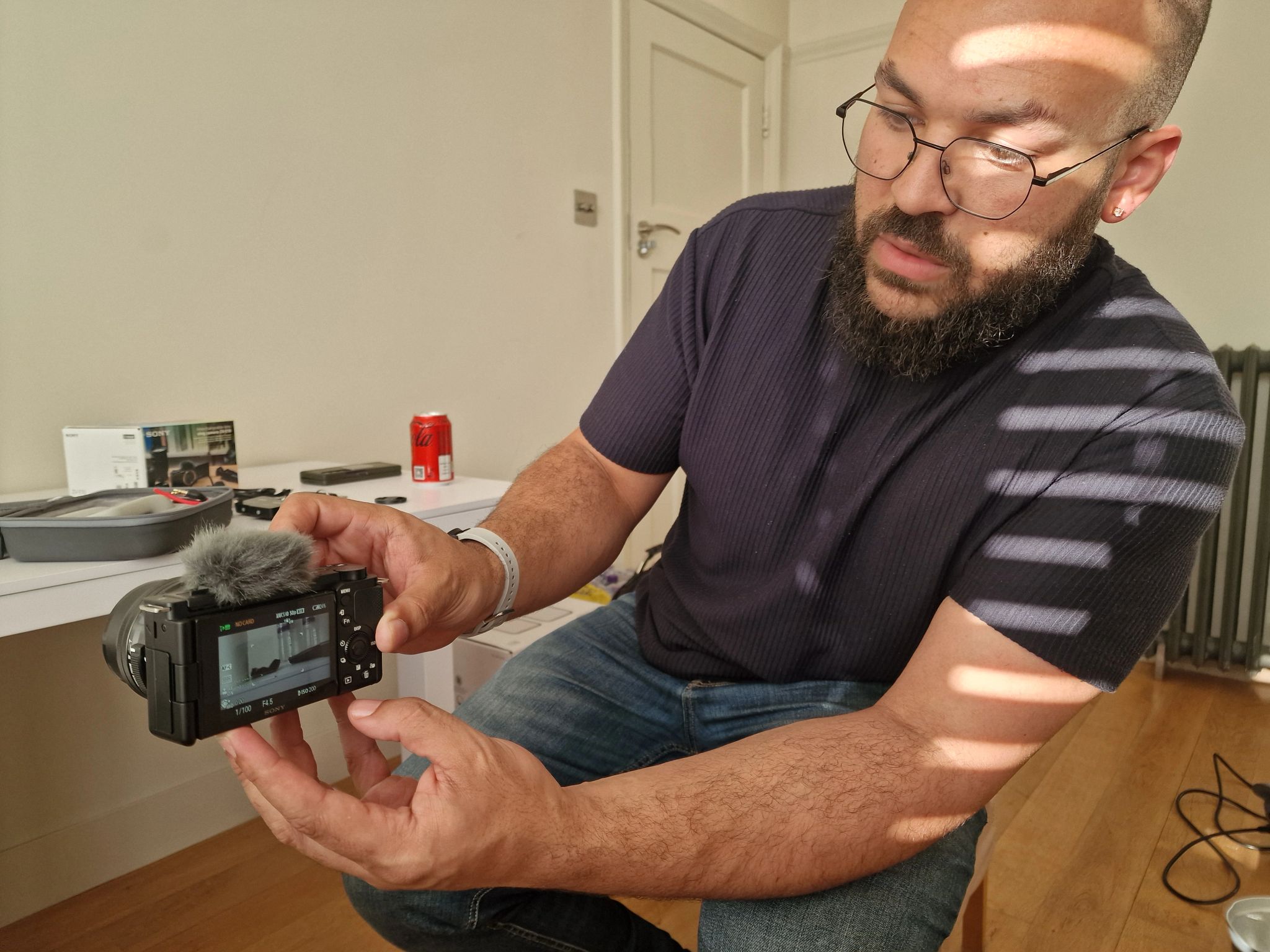
Here’s what Charlie Marsden covered during my 1-2-1 training:
1️⃣ Ways to bring the natural version of yourself out on screen, includes not looking at the camera but behind the camera, use your hands to explain yourself, keeping them visible, allow them to roam but not too far and it’s important of bringing them back to a natural central position.
2️⃣ Importance of establishing your natural posture whilst getting used to shrugging your shoulders a couple of times before camera rolls, if you feel you are tensing up…shrugs can be editted out and if a live setting people may not even notice but you’ll feel more at ease.
3️⃣ Equipment and set-up…believe it or not, there’s alot of technical advice needed to get the backdrop, camera, lighting scene set-up correctly…watch a few YouTube videos.
4️⃣ Some basic advice to start with…if your camera screen allow you to display a grid of 9 boxes, align your eye with the top line of the middle grid. Don’t sit/stand too close to the wall/background, you wouldn’t do that in real life, don’t do it on camera.
5️⃣ You don’t need to be Oprah Winfrey to handle a difficult the conversation on camera. Do it by simply acknowledging aloud it’s a difficult topic, this will help to make your guest get mentally prepared and feel more comfortable.
6️⃣ Have the conversation before the camera rolls about re-taking and editing out anything a guest really doesn’t want shared…this makes someone feel at ease and open with the conversation they are about to have.
7️⃣ Be kinder to yourself on camera and watching footage back. We tend to get a magnifying 🔎 glass out when it comes to ourselves. Remember putting yourself out there is brave, give yourself credit for stepping into the ‘ring’.
8️⃣ Work out what is best for content for you right now i.e. Long or Short form? Each has their own benefits but if you are beginner, trying to build confidence or/and consistency with content going out, start with Shorts.
9️⃣ Where to look on set….as easy as it sounds, but it’s much more difficult than you think. You don’t want to seem like you are staring down the camera. Then an added complexity is, if theres a number of cameras on the set, which one do you look at? How do you balance the rest? Establish, which camera is your/the main before recording starts. It’s okay to look away from the camera’s direction but come back to it as you would if you were having conversations with a friend.
1️⃣0️⃣ Humans tend to look up when thinking, gathering their thoughts, allow yourself to naturally do that on camera, it doesn’t look odd, it’s actually normal
However, avoid looking down is does the reverse reduces confidence or appears you are unsure too.


Source: https://www.linkedin.com/feed/update/urn:li:ugcPost:7326745300939718656